ICC's glaring double standards: 'Hybrid model' for India, 'logistics' for Bangladesh
One rule for India, another for Bangladesh. By brushing aside safety concerns surrounding Mustafizur Rahman, does the ICC's so-called 'independent assessment' merely pander to cricket's powerful elite? An in-depth analysis of how a nation's World Cup dream was shattered under the guise of logistical constraints.
Note: This English version was translated on September 4, 2026 as part of Cricraze's bilingual archive initiative.
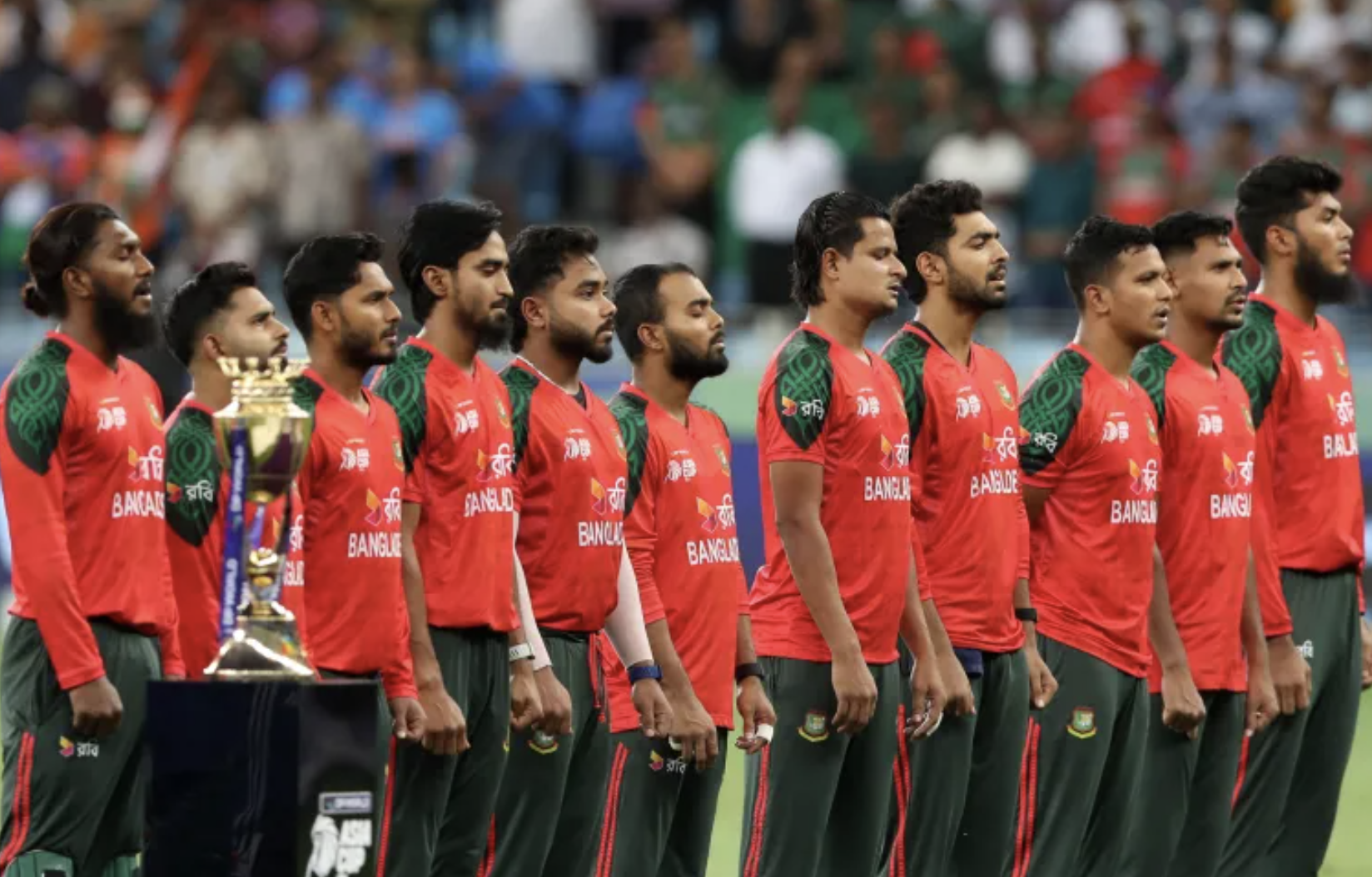
By excluding Bangladesh from the 2026 T20 World Cup and replacing them with Scotland, the International Cricket Council (ICC) has cast severe doubt over its neutrality and credibility. Brushing aside security concerns regarding Bangladeshi nationals on Indian soil under the pretext of 'logistical constraints' and an 'independent security assessment' is a stark display of the governing body's double standards.
The central point of criticism surrounding the ICC's decision lies in its glaring hypocrisy. When India refuses to travel to Pakistan for the Asia Cup or the Champions Trophy citing security concerns, the ICC unhesitatingly adopts a 'hybrid model'. Yet, when Bangladesh presented a logical request to relocate their matches amid specific, recent geopolitical tensions, the ICC cited a 'lack of time' and 'logistical complexities'. One set of rules for India and another for Bangladesh only solidifies the long-standing allegation that the ICC has effectively transformed into the 'Indian Cricket Council'.
Bangladesh's apprehensions were hardly unfounded. The Board of Control for Cricket in India (BCCI) itself had previously instructed IPL franchise Kolkata Knight Riders (KKR) to remove Mustafizur Rahman from their squad, citing an inability to guarantee his security. How logical is it then to force an entire national team to play a World Cup in a country where the host board failed to secure a single player during a franchise tournament? It remains baffling how the ICC's so-called 'independent security team' completely overlooked such a tangible precedent.
Cricketing legends like Shahid Afridi, Jason Gillespie, and Mohammad Yousuf have rightfully questioned whether logistical convenience holds more value than human safety. A nation of over 170 million passionate cricket fans has been sidelined merely to keep a tournament schedule intact—even though relocating matches was entirely feasible given Sri Lanka's role as co-host.
Ultimately, this episode underscores that the ICC is no longer governed by principles, but by power. While the core responsibility of a global governing body is to safeguard the interests of all member nations, it has instead surrendered to the influence of a single board. Bangladesh's exclusion—compounded by Pakistan's potential boycott threats—will only deepen the polarization in global cricket, painting a grim picture for the future of the sport.