Bigger Asian Games contingent yields smaller return for Bangladesh
Despite a 56.6 per cent increase in delegation size at the Asian Games, Bangladesh's medal return dropped significantly, sparking renewed questions over long-term planning.
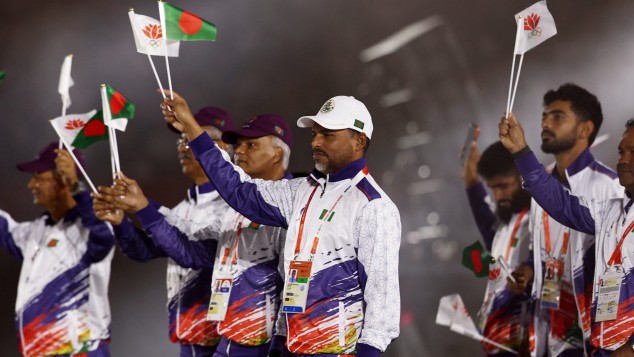
Bangladesh's contingent keeps getting bigger at the Asian Games, but the results have gone in the opposite direction. At the 2014 Incheon Games, Bangladesh sent 166 people and returned with three medals: one silver and two bronzes. At Aichi-Nagoya in 2026, the contingent swelled to 260, including 187 athletes.
The return from the latest Games was just one bronze. That marks a 56.6 per cent increase in numbers, but a two-thirds drop in medals. More than a disappointing medal tally, the situation raises a bigger question about what Bangladesh is actually trying to achieve at the continent's biggest multi-sport event.
Organisers often point to exposure when questions are raised about the size of the contingent, arguing that taking athletes to major Games will help them perform better at regional events. However, exposure without a long-term plan is difficult to distinguish from expensive participation.
The contrast with neighbouring countries is telling. India finished fourth with 85 medals, Pakistan won 10, Sri Lanka claimed three, and Nepal returned with two bronzes. For Bangladesh, the Games have brought another round of soul-searching and highlighted deep systemic failures.
The respective federations, the Bangladesh Olympic Association and the government have repeatedly failed to put in place long-term planning for major multi-sport events. Preparation is too often replaced by short-term measures, while controversies over selection and officials distract from the actual competition.
Across 22 disciplines in Aichi-Nagoya, Jinnat Akter was the lone athlete who kept Bangladesh from returning empty-handed. Her bronze in the women's 52kg wushu sanda event ended a 40-year wait for Bangladesh's second individual Asian Games medal, leaving everyone else searching for answers.